
Why is Pittsford, NY Considered Historically Significant?
Pittsford, NY holds a unique place in regional history due to its well-preserved 19th-century architecture, early canal-era roots, and dedication to maintaining a sense of community heritage. Residents often notice how the streets, landmarks, and public spaces reflect patterns of settlement, transportation, and daily life that shaped the area long before modern development surrounded it.
What Makes the Village’s Appearance and Layout Stand Out?
The visual atmosphere of Pittsford is shaped by buildings and planning choices from the early 1800s. Many homes, churches, and civic structures retain their original facades or carefully maintained updates that match the period. Streets are narrower than in many newer areas, and sidewalks run close to the street, fostering walkability and neighborhood connections.
- Classic Greek Revival and Federal-style homes line the residential blocks.
- Brick and stone canal-era buildings cluster near the center, often housing public functions.
- Established tree canopies and traditional street lamps evoke a slower-paced era.
This consistency is not accidental. Residents and officials have long valued preservation policies and design guidelines that help retain the authentic village character even as new needs arise.
Why Does the Erie Canal Matter So Much Here?
The Erie Canal, constructed early in the 19th century, was essential to the village’s growth and historical significance. The canal transformed local life by bringing commerce, migration, and opportunities that connected the area to distant markets.
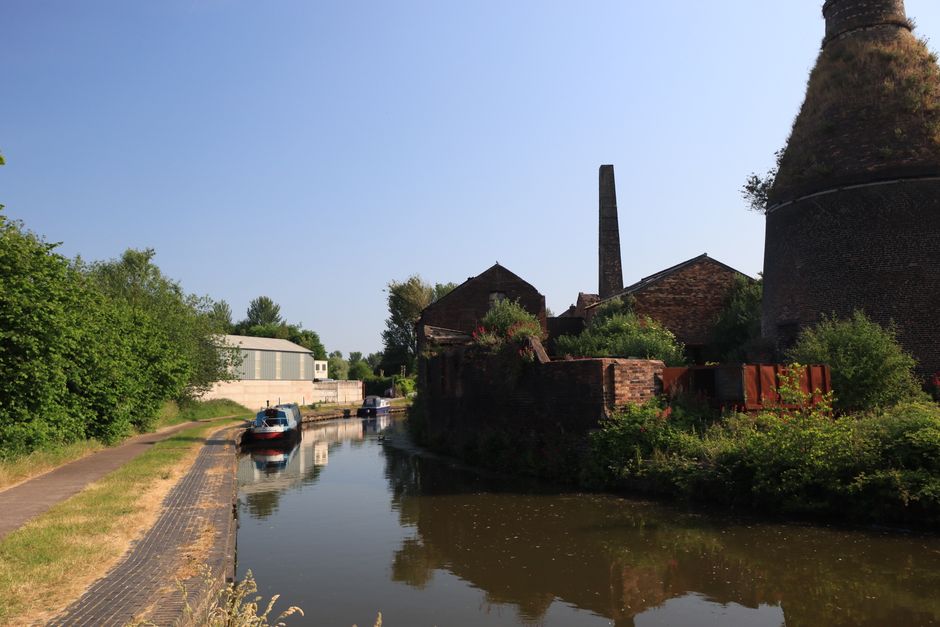
The canal’s presence set the local economy apart from surrounding rural settlements—merchants and craftspeople flocked to a hub where shipping and travel occurred. Remnants of this era still shape the landscape, with towpaths and canal-side parks drawing walkers, joggers, and families who enjoy glimpses of boats and echoes of past activity.
Local events often use the canal as a gathering space, building on this sense of shared public history. Few communities in the region offer such daily access to working canal infrastructure woven into daily routines.
How Has the Village Balanced Change and Preservation?
Community discussions in Pittsford frequently revolve around balancing preservation with modern needs. Protecting the area’s historic footprint requires thoughtful zoning, regular maintenance, and public awareness.
- Ongoing renovation projects focus on original materials and designs.
- The village government enforces historic district protections that cover not just buildings, but landscaping, lighting, and signage.
- Residents contribute oral histories and participate in annual home tours, helping newer neighbors connect with deeper traditions.
These patterns help maintain a sense of place for long-term residents and provide newcomers with a tangible sense of what makes local life different from surrounding developments.
What Role Do Public Spaces and Institutions Play?
Historic identity isn’t limited to private homes or the canal—public squares, churches, and civic buildings play an outsized role in community memory. Several churches and the local library trace their roots back to the 1800s, reflecting both religious and social gathering traditions.
Well-used parks and open spaces serve as natural extensions of this identity. Residents rely on these areas for recreation and community events, making outdoor gatherings another link in the chain of shared history.
Are There Common Misconceptions About the Village’s Heritage?
People sometimes think historic significance is only about grand buildings or folklore, but in Pittsford history is built into daily routines. The act of walking to school along old sidewalks or meeting friends in a timeworn park expresses continuity. The sense of knowing neighbors, greeting familiar faces at historic sites, and enjoying seasonal events rooted in longstanding tradition helps make history a lived reality rather than a museum piece.
Another overlooked factor is that historic preservation isn’t about freezing a place in time. The community’s commitment to adapt functioning infrastructure for today’s needs—without replacing it—demonstrates that heritage and daily life can progress together.
How Does Living in a Historic Village Affect Daily Life?
Daily life in the village brings subtle but meaningful reminders of history:
- Homeowners navigate rules designed to safeguard architectural detail.
- People gather at meeting spots that have served the same purpose for generations.
- Caring for older structures means learning about materials and maintenance styles that newer neighborhoods rarely encounter.
- Annual events and traditions foster a feeling of continuity, reminding participants they’re part of a larger story.
Residents often cite these patterns as sources of pride and comfort, creating a sense of belonging that is distinctly tied to place and time.
Pittsford’s historic reputation rests on more than aesthetics—it’s about the ways people connect through shared memory, adaptive use of old spaces, and a strong collective spirit that values heritage as part of everyday life.