
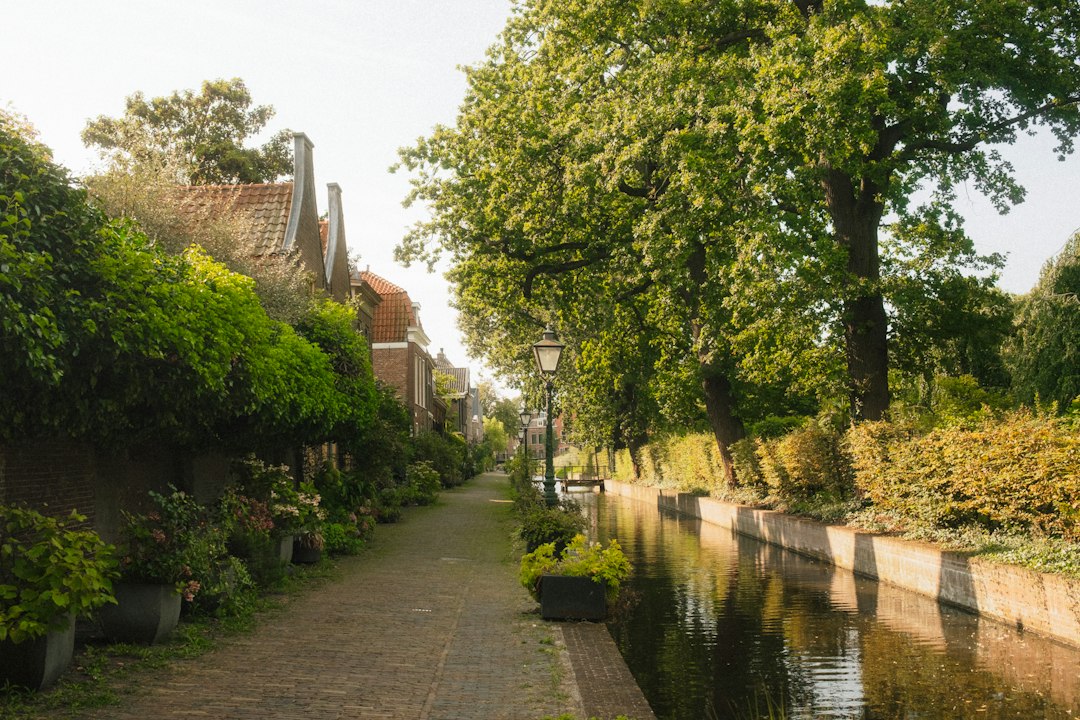
What kinds of neighborhoods make up Pittsford, NY?
Pittsford, NY is defined by its mix of established residential areas, tree-lined streets, and quiet developments that range from historic homes to newer suburban enclaves. Most neighborhoods in this community offer a combination of walkable streets, well-kept parks, and nearby schools, with distinctive features and personalities that reflect the town’s gradual growth from farmland and canal villages into a sought-after residential area.
How do neighborhoods differ in atmosphere and layout?
While the general feel of Pittsford is peaceful and suburban, there’s notable variety in neighborhood character:
- Streets closest to the Erie Canal and village area often feature classic early-20th-century homes and occasional stately colonials, contributing to a sense of history and established roots. These areas tend to have sidewalks and mature shade trees, making them walkable and socially connected.
- Subdivisions built in the late 20th and early 21st centuries usually have larger lots, quieter cul-de-sacs, and uniform architecture, with most houses set back from the street behind generous lawns.
- Near the high school and middle school campuses, some neighborhoods include more contemporary homes and family activity, given proximity to schools, playing fields, and bus routes.
- More rural-feeling pockets still edge parts of the town’s boundaries, with country roads, woods, and scattered homes, appealing to those who value privacy and open views.
Are the neighborhoods walkable and connected?
Some neighborhoods in Pittsford are more walkable than others, particularly those closer to the village center, the Erie Canal, and the community’s parks. Sidewalks, crosswalks, and access to the canal path are common in these areas, making daily errands or walks with pets easy. In contrast, newer subdivisions and outlying roads often have fewer sidewalks and depend more on car travel for tasks like shopping or school drop-off.
Well-known community events, like parades and local sports, bring residents from different areas together. This helps maintain a small-town sense of belonging, even in neighborhoods where homes are spaced farther apart.
What is housing like—historic homes or new construction?
Pittsford is known for its architectural variety, but there are clear differences depending on location:
- Near the village and canal, houses often date from the late 1800s to early 20th century, with wraparound porches, hardwood floors, and original details.
- Suburban developments from the 1970s, 1980s, and later contribute a larger share of center-hall colonials, capes, and split-level homes, often with newer appliances and attached garages.
- Scattered through quieter corners are a handful of houses with larger land parcels, informal gardens, or even horse-ready outbuildings, reflecting the town’s rural heritage.
Each area’s housing style contributes to its feel. Some residents choose neighborhoods for the chance to restore or live in a historic property, while others prefer the predictability and features found in more recent construction.
What kinds of people tend to live in each neighborhood?
Family life is a defining part of many Pittsford neighborhoods, with parks, crosswalks, and school bus routes woven into the daily landscape. Areas close to schools, playgrounds, and fields often have more young families, weekday activity, and after-school gatherings.
Quieter, more rural roads may draw individuals or households seeking privacy, gardening space, or room for hobbies; in these places, properties may be a bit more spread out. Some pockets attract retirees or long-term residents who put down roots through decades of community involvement.
Despite some differences, most neighborhoods bring together people of all ages. Many residents attend shared schools, pool clubs, or community events, resulting in a friendly, familiar atmosphere across the broader community.
Do neighborhoods offer access to parks and recreation?
Access to outdoor activities is a hallmark of daily life in the area. Many Pittsford neighborhoods are within a short drive or walk of public parks, the Erie Canalway Trail, playgrounds, or ball fields.
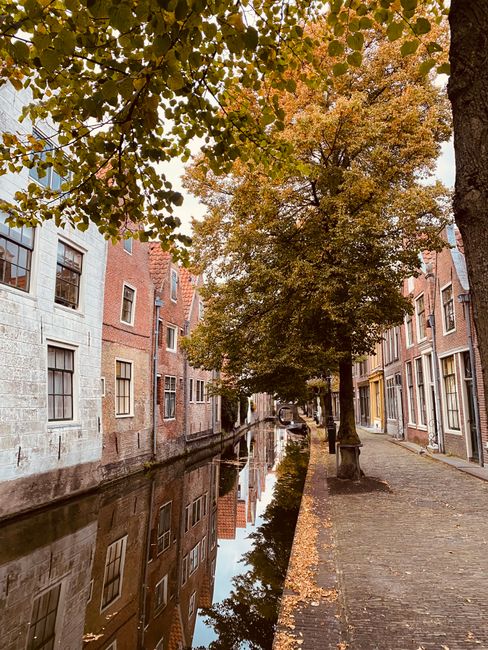
- Those living in or near the village area often take advantage of the canal towpath for walking, running, and cycling.
- Suburban and cul-de-sac neighborhoods may have access to pocket parks or wooded trails, ideal for kids or dog walking.
- Some outlying areas offer proximity to larger town parks, nature preserves, or open green spaces for seasonal activities like sledding, skating, or soccer.
The combination of safe streets, accessible trails, and parklands means most households have at least one favored outdoor escape nearby.
What about traffic, quiet, and safety in different neighborhoods?
One of the most common practical concerns is traffic flow and road safety. Most neighborhoods, especially cul-de-sac developments and loops, see light local traffic and are generally quiet throughout the day and night. Streets adjacent to schools or the village center can experience bursts of traffic during morning drop-off, after-school pickups, or busy community events, but the pace quickly returns to normal. Residents often describe the community as calm and welcoming, with neighbors looking out for each other and regular street presence from walkers, students, and dog owners adding to the area’s sense of security.
Does seasonality affect neighborhood life?
Like the broader upstate region, Pittsford sees strong seasonal changes, which shape daily life in neighborhoods:
- Spring and fall bring out joggers, bikers, and walkers, with sidewalks and canal paths especially busy after cold months.
- Winter creates demands for snow removal on driveways and sidewalks, and neighborhood groups sometimes collaborate to keep walkways safe for kids heading to school.
- Summer features block parties, lemonade stands, and informal gatherings in cul-de-sacs and driveways, with many people enjoying the longer daylight hours outdoors.
This rhythm of changing activity and atmosphere across the seasons influences how neighbors interact and use shared spaces throughout the year.
What misconceptions do newcomers have about the neighborhoods?
People sometimes expect all neighborhoods in this community to be uniformly affluent or cookie-cutter in appearance. In reality, there is a wide range of home types, lot sizes, and personalities—historic homes, modest cottages, and larger new-construction houses can be found even within close proximity. While the town is generally well-maintained, daily life reflects real diversity in architecture, household size, and street-to-street dynamics. Locals tend to value long-term stability, friendliness, and pride in community history more than exclusivity or sameness.