
What is daily life really like in Pittsford, NY?
Moving to Pittsford, NY means joining a community where tradition and modern living blend seamlessly. Everyday routine here is shaped by leafy neighborhoods, nationally recognized schools, and a strong sense of civic engagement among residents. People typically know their neighbors, and local gatherings—whether at public parks, libraries, or historic sites—are part of the fabric of life.
Compared to more urbanized places, the pace is intentionally a bit slower. Children ride bikes along quiet streets, joggers trace the Erie Canal path, and there’s a clear emphasis on walkability in the village center. Many households participate in local events throughout the year, like concerts in the summer and harvest festivals in the fall. Most essential services and amenities are nearby, reducing the need for long commutes.
How do housing options and costs compare?
The housing landscape in Pittsford spans classic colonials, modern new builds, and a selection of townhouses and condos. Homes here reflect the area’s historical ties and its reputation for well-kept properties. Buyers and renters should budget at the higher end of local averages due to the community’s popularity and school district standing.
While single-family homes dominate, apartments and rental spaces exist, though they may be less plentiful than in denser regions. Expect properties with mature trees, landscaped lawns, and a mix of architectural styles from the 19th century to present day. Some neighborhoods require additional planning for seasonal maintenance—large driveways and abundant greenery mean autumn leaves and winter snow both demand attention.
What should newcomers know about schools and education?
Education plays a central role for many families settling in this area. The local public school system is widely considered a draw, with consistently strong ratings, a range of extracurriculars, and support services. Class sizes are generally moderate, and parental involvement is common. There are also private schools and options for early childhood programs within convenient reach.
Families should check enrollment details and transportation options for their neighborhood, as attendance zones and bus routes vary. Many after-school activities, from athletics to the arts, foster a strong sense of community among students and parents alike.
What are the seasons and weather patterns really like?
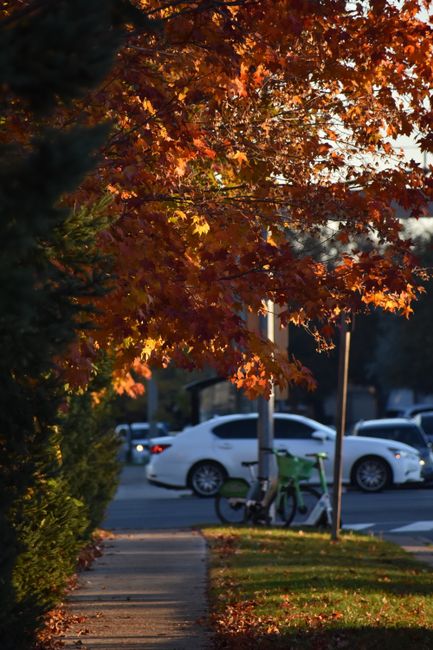
The four seasons are felt distinctly, shaping both household routines and community events. Winters bring regular snowfall and icy conditions—think plowed roads, snow shoveling, and the occasional mid-winter school closure. Spring and fall are mild enough for comfortable outdoor activity and vibrant with blossoms or foliage. Summers tend to be warm and pleasant, encouraging plenty of time outdoors.
Local residents often plan ahead for seasonal changes: roof maintenance, gutter cleaning, and preparedness for winter storms are common. Public services handle much of the main road maintenance, but individual property owners are typically responsible for clearing sidewalks and driveways.
How is getting around handled for work, school, and leisure?
Driving is the primary mode of transport for most residents, but there are notable patterns in the flow of daily life. Confident, defensive driving skills are useful, especially in winter. Importantly, the village area is quite walkable, with pedestrian-friendly routes to parks, shops, and public spaces.
Public transit access is more limited compared to urban centers, so planning for multiple drivers per household or carpooling arrangements is common. Bike paths and recreational trails, especially along the canal and riverside, are popular with families and fitness enthusiasts.
What’s the role of public services and local governance?
Local government is known for its steady management of zoning, public safety, waste collection, and community planning. Residents tend to get involved with committees, open forums, and seasonal or special events that encourage civic participation. Public safety and emergency services are responsive and supported by engaged, well-informed neighbors.
Regulations on property care, recycling practices, and renovations are enforced to maintain the appearance and harmony of the area. Before making changes to a property, homeowners should check for any relevant permits or guidelines.
Which amenities and resources do residents rely on?
Day-to-day needs like groceries, pharmacies, banks, and medical providers are met locally. People appreciate well-maintained parks and recreation centers, quality sports facilities, and a robust local library system. Community programming for adults and children alike fills seasonal calendars, from gardening workshops to family movie nights.
The area’s strong emphasis on historical preservation and green space helps maintain a balance between growth and open areas for relaxation or activity.
What misconceptions do people have before moving here?
Some assume that Pittsford is purely affluent or exclusive, but the reality is more nuanced. While the standard of living is high for many, there is a diversity of households in terms of background and income. Others may think the community never changes, but recent years have seen updates to public spaces, shifts in school enrollment, and new faces joining longstanding neighborhood groups.
Prospective residents sometimes underestimate the need for winter preparedness or the level of involvement in community life that’s both welcomed and expected.
What stands out about the community culture?
A notable aspect of living in this area is the longstanding culture of volunteerism, education, and neighborly support. Participation in local government, town events, and charity efforts is widespread. There’s a shared sense of pride in both preserving tradition and building connections among newcomers.
It’s common to strike up a conversation at the farmers’ market or while volunteering with a local environmental group. Longtime residents offer tips on everything from snow removal routines to the best vantage point for summer fireworks.
Settling in here means adapting to the rhythms of the seasons, taking part in shared responsibilities, and valuing both privacy and participation in a cohesive, close-knit way typical of a classic American village community.